


You can’t manage what you’re blind to
8 Keys to Oil Analysis Victory: Key #7 – Dissolved Metals Testing 101
All Resources /
FAQs
8 Keys to Oil Analysis Victory
In power plants and other critical operations, oil condition is one of the most significant contributors to turbine reliability, yet it’s often overlooked until alarms start ringing. By the time warning signs appear, the real problem has often been developing quietly for months or even years.
The truth is simple: lubricants rarely fail suddenly. They typically fail after prolonged neglect.
Early in a lubricant’s life, few visible problems appear, making it easy to ignore the gradual chemical changes happening inside the system. Over time, however, unmanaged degradation begins to surface:
- Rising MPC varnish potential
- Additive depletion
- Accumulation of oxidation byproducts that deposit on equipment surfaces
At EPT Clean Oil™ our goal is simple: to teach the world a better way through Lubricant Chemistry Management. Because success in lubrication reliability doesn’t come from a single test or a single insight. It comes from understanding the lubricant’s chemistry and managing it strategically over time. That’s why we developed The 8 Keys to Oil Analysis Victory.
These eight tests form the foundation of a winning lubricant management strategy. Think of them as the core plays in your reliability playbook and the insights that allow your team to:
- Understand where your lubricant is strongest
- Identify weaknesses before they become failures
- Make informed adjustments before equipment performance is impacted
Key #7: Dissolved Metals Testing
What is Dissolved Metals Testing (ICP-OES)?
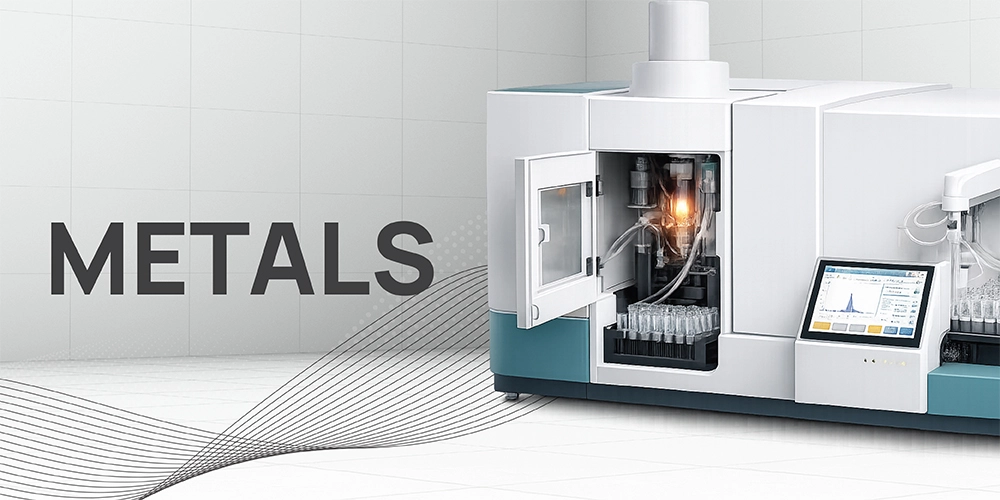
Dissolved metals testing is a laboratory method used in oil analysis to measure trace metallic elements in a lubricant. It uses ICP-OES (Inductively Coupled Plasma – Optical Emission Spectroscopy), an advanced technique that detects metals at extremely small concentrations, typically reported in parts per million (ppm).
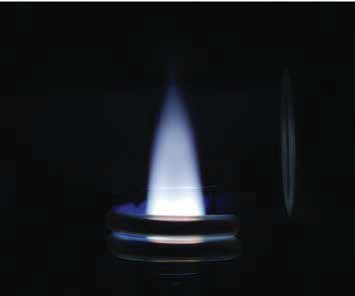
Did you know? The sample is exposed to high-temperature plasma, which ionizes the fluid at an extreme temperature and breaks it down to individual atoms. This allows the instrument to identify and measure the 20 metals associated with the detection of wear, additives, and contamination.
Why is Dissolved Metals Testing important?
Lubricants naturally change color as they age. New oils typically appear light and bright, but as they operate in service, oxidation, thermal stress, and contamination cause them to darken.
While darkening alone does not always mean the oil has failed, significant color changes can indicate degradation, contamination, or additive depletion. Monitoring oil color helps identify shifts in lubricant condition early, supporting proactive maintenance decisions and protecting critical equipment.
Because visual observation is subjective, standardized testing ensures results are objective, comparable, and trendable over time.
How does Dissolved Metals Testing work?
In the laboratory, a small oil sample is introduced into the ICP-OES instrument, where it is converted into a fine aerosol and injected into a plasma torch operating at extremely high temperatures. The intense heat excites the atoms in the sample, causing each element to emit light at a specific wavelength.
The instrument measures the intensity of this light to determine the concentration of each element present. Results are reported in parts per million (ppm) and typically include a panel of metals related to wear, additives, and contaminants.
By trending these results over time and comparing them with baseline values, analysts and maintenance teams can identify patterns that may indicate developing equipment wear, additive depletion, contamination, or lubricant mix-ups. This insight allows operators to take action early keeping equipment reliable, efficient, and performing at its best.
Stop Guessing, Start Trending
Our Fluid Technical Center team takes the routine out of oil analysis, providing a complete picture of your fluid condition to ASTM standards. Testing packages are designed for each application and performed by professional chemists, delivering accurate, actionable results.
Data is reviewed and interpreted by application specialists and PhD chemists to provide a comprehensive overview of your samples and deeper insight into root cause. As part of our ACE™ assessment, advanced Dissolved Metals Testing is performed to provide deeper insight into varnish potential and overall fluid health, empowering you to make data-informed decisions about your critical assets.
It’s as easy as 1, 2, 3.
Ready to get your oil tested?
Submit an Oil Sample | Request an ACE™ Assessment | Contact Us
Dissolved Metals Testing 101 Resources
You Might Be Interested In
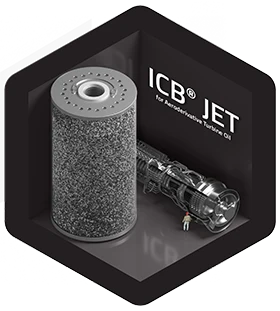
ICB® JET
FOR AERODERIVATIVE TURBINE OIL
ICB® JET removes acids, oil coking precursors and dissolved by-products, continuously breaking the accumulation cycle and eliminating the root cause of deposit formation.
TMR® N2
WATER REMOVAL
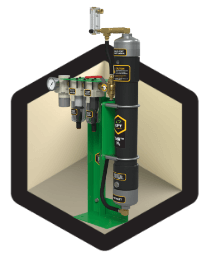
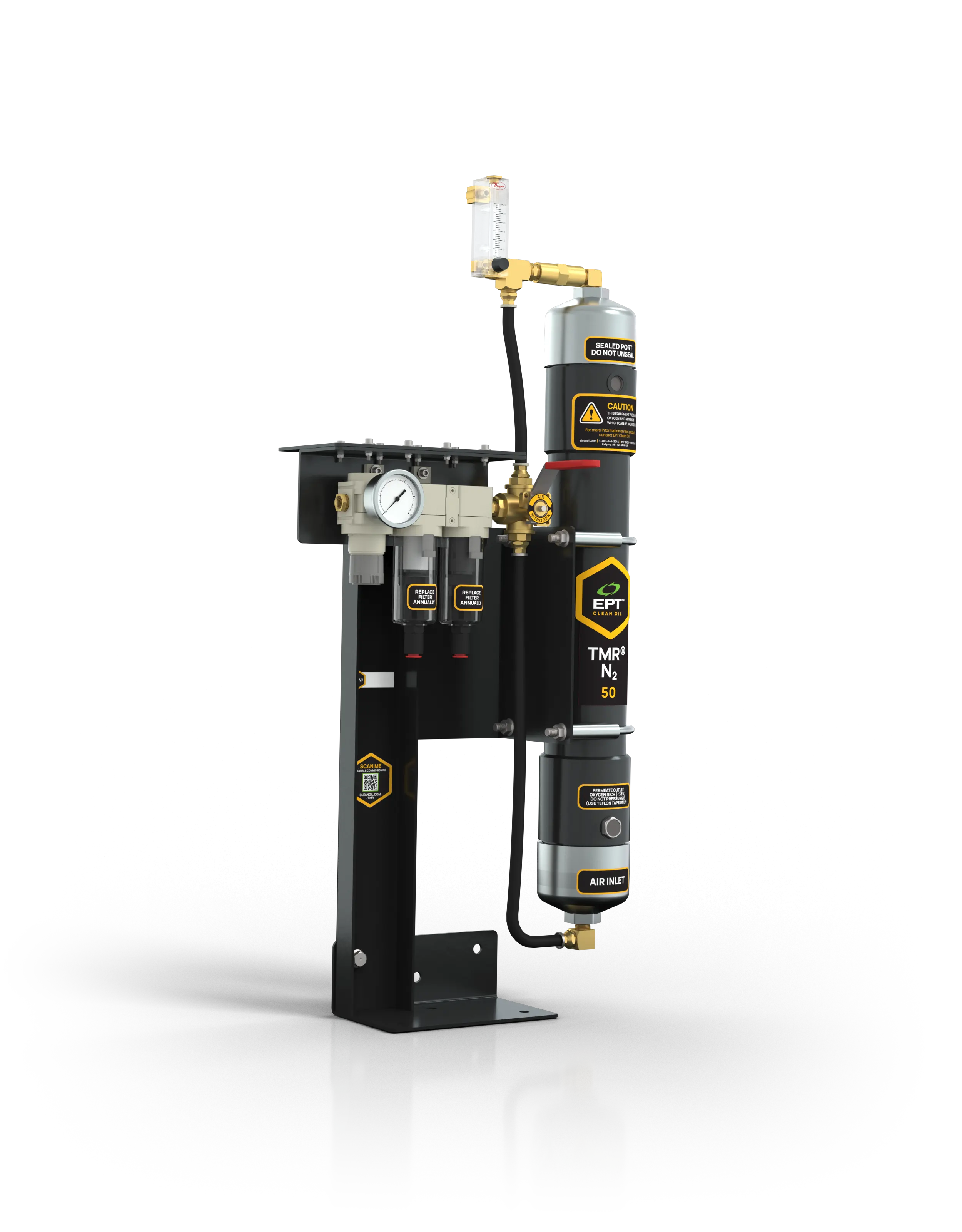
TMR® N2 is a highly effective, low-cost, nitrogen blanketing system that provides unlimited capacity to remove water and eliminate atmospheric water ingression.
SVR®
LUBRICANT CONDITIONING SYSTEM
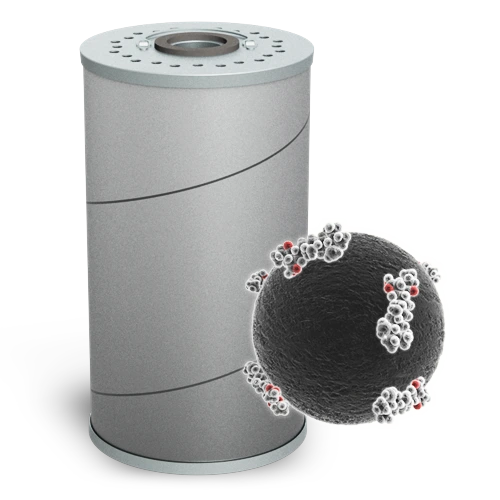
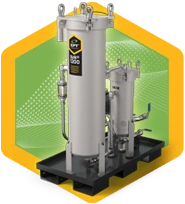
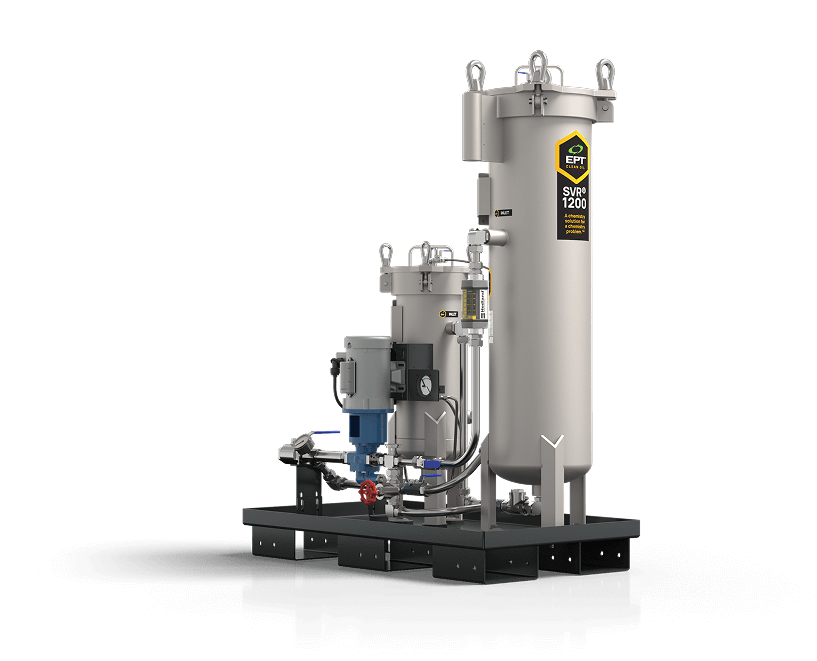
SVR® utilizes patented ICB® ion-exchange filters to permanently remove dissolved breakdown products and prevent harmful varnish deposits from forming.