


You can’t manage what you’re blind to
8 Keys to Oil Analysis Victory: Key #4 – Acid Number Testing 101
All Resources /
FAQs
8 Keys to Oil Analysis Victory
In power plants and other critical operations, oil condition is one of the most significant contributors to turbine reliability, yet it’s often overlooked until alarms start ringing. By the time warning signs appear, the real problem has often been developing quietly for months or even years.
The truth is simple: lubricants rarely fail suddenly. They typically fail after prolonged neglect.
Early in a lubricant’s life, few visible problems appear, making it easy to ignore the gradual chemical changes happening inside the system. Over time, however, unmanaged degradation begins to surface:
- Rising MPC varnish potential
- Additive depletion
- Accumulation of oxidation byproducts that deposit on equipment surfaces
At EPT Clean Oil™ our goal is simple: to teach the world a better way through Lubricant Chemistry Management. Because success in lubrication reliability doesn’t come from a single test or a single insight. It comes from understanding the lubricant’s chemistry and managing it strategically over time. That’s why we developed The 8 Keys to Oil Analysis Victory.
These eight tests form the foundation of a winning lubricant management strategy. Think of them as the core plays in your reliability playbook and the insights that allow your team to:
- Understand where your lubricant is strongest
- Identify weaknesses before they become failures
- Make informed adjustments before equipment performance is impacted
Key #4: Acid Number Testing
What is Acid Number Testing?
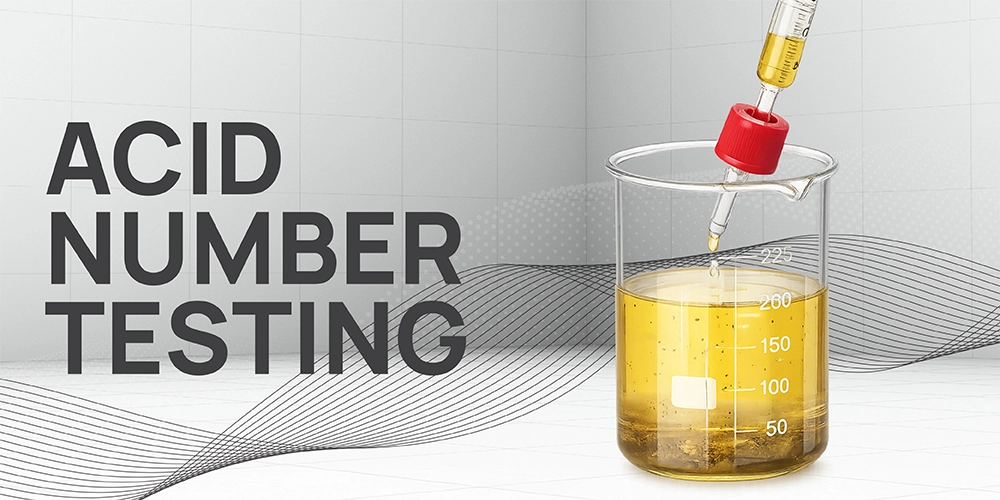
Acid Number (AN) testing is used to measure the level of acidic compounds present in an oil sample. It indicates the degree of oil degradation by quantifying the amount of acid formed as the oil oxidizes over time.
Did you know? Acid Number testing measures oil degradation by identifying acidic compounds formed during oxidation.
Why is Acid Number testing important?
As oil ages, exposure to heat, air, and contaminants causes it to oxidize and form acids. Elevated acid levels can lead to corrosion of metal surfaces, accelerated wear, additive depletion, and sludge or varnish formation. Acid Number testing matters because it provides an early warning that oil is breaking down, allowing corrective action before equipment performance is affected or damage occurs.
How does Acid Number testing work?
As with food, oil spoils faster when exposed to heat and air. Acid Number testing measures the amount of potassium hydroxide (KOH) required to neutralize the acidic components in an oil sample. The result is reported as mg KOH per gram of oil, providing a clear and repeatable indicator of oil condition.
By trending Acid Number results over time, changes in oil chemistry can be monitored and compared against baseline values or OEM limits. A rising Acid Number signals increasing oxidation and degradation, helping determine when oil maintenance, filtration improvements, or oil replacement may be required.
Stop Guessing, Start Trending
Our Fluid Technical Center team takes the routine out of oil analysis, providing a complete picture of your fluid condition to ASTM standards. Testing packages are designed for each application and performed by professional chemists, delivering accurate, actionable results.
Data is reviewed and interpreted by application specialists and PhD chemists to provide a comprehensive overview of your samples and deeper insight into root cause. As part of our ACE™ assessment, advanced testing including Acid Number testing is performed to provide deeper insight into varnish potential and overall fluid health, empowering you to make data-informed decisions about your critical assets.
It’s as easy as 1, 2, 3.
Ready to get your oil tested?
Submit an Oil Sample | Request an ACE™ Assessment | Contact Us
Acid Number Testing 101 Resources
You Might Be Interested In
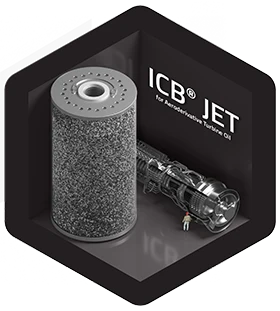
ICB® JET
FOR AERODERIVATIVE TURBINE OIL
ICB® JET removes acids, oil coking precursors and dissolved by-products, continuously breaking the accumulation cycle and eliminating the root cause of deposit formation.
TMR® N2
WATER REMOVAL
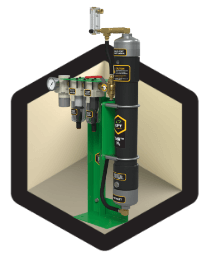
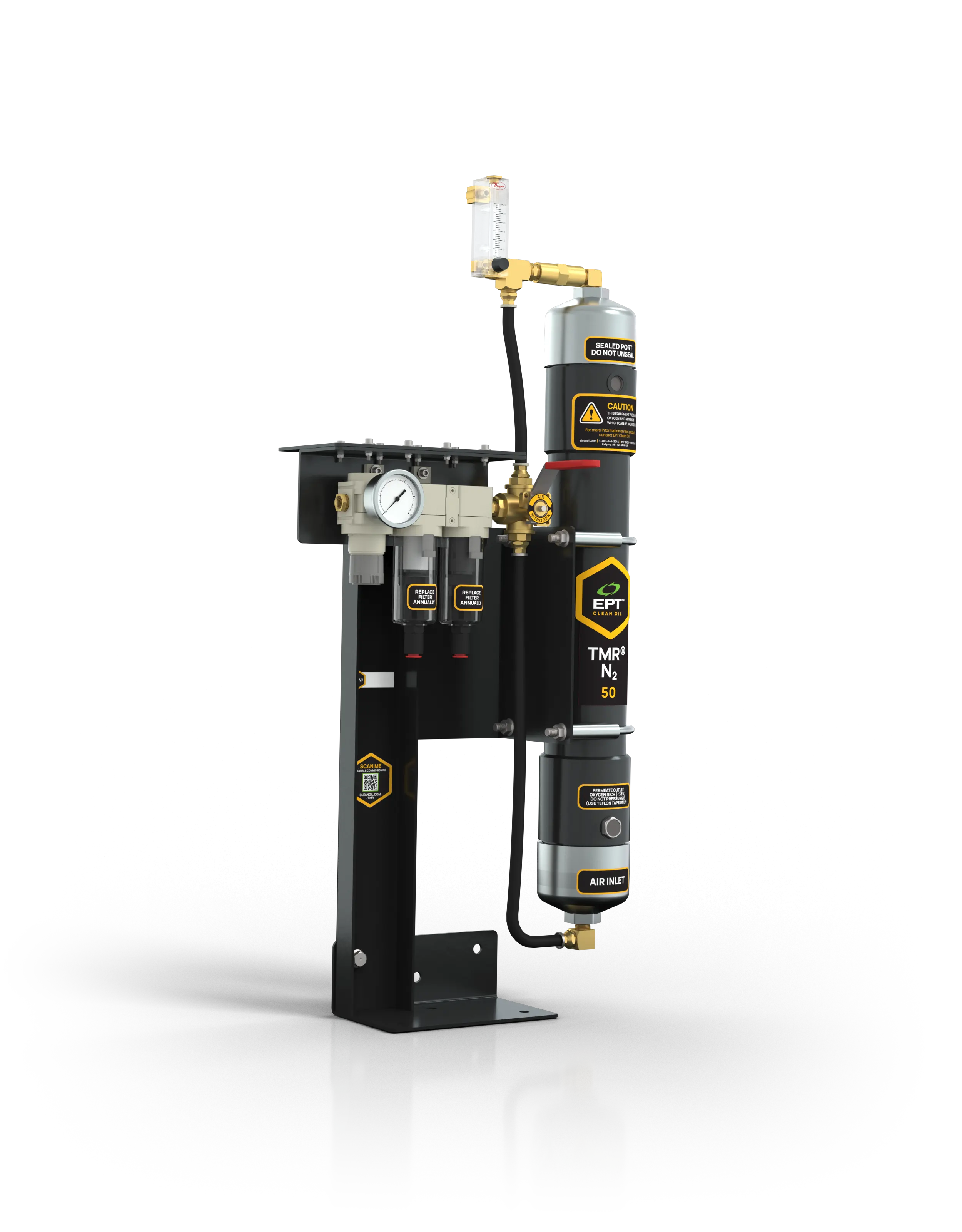
TMR® N2 is a highly effective, low-cost, nitrogen blanketing system that provides unlimited capacity to remove water and eliminate atmospheric water ingression.
SVR®
LUBRICANT CONDITIONING SYSTEM
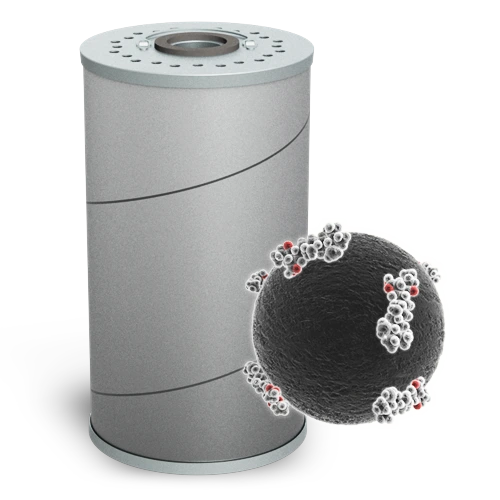
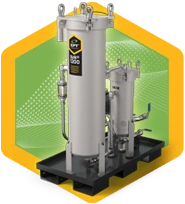
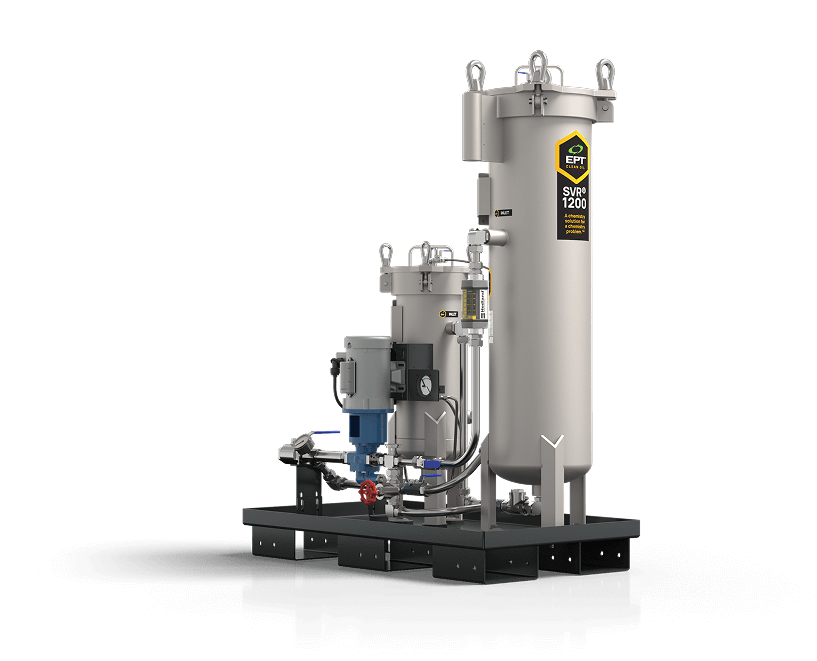
SVR® utilizes patented ICB® ion-exchange filters to permanently remove dissolved breakdown products and prevent harmful varnish deposits from forming.